Peptide therapy benefits are quickly becoming a major talking point in modern health optimization—and not just in elite wellness circles.
From faster recovery to improved cellular function, peptide therapy is being positioned as a powerful tool in regenerative medicine. Clinics like ResCore Clinic are incorporating peptide protocols into broader treatment plans aimed at improving long-term health outcomes, not just short-term symptom relief.
But here’s the real question: is peptide therapy actually the future of regenerative medicine, or just another trend riding the wave?
Let’s break it down with clarity—and without the hype.
Jump to:
TLDR – Quick Guide
- Peptide therapy uses short chains of amino acids to regulate biological functions
- Key peptide therapy benefits include recovery, repair, and improved performance
- It can support hormone balance, immune function, and tissue healing
- Results vary depending on the peptide type and patient condition
- It is often used alongside other regenerative treatments
Detailed Breakdown
What Is Peptide Therapy (And Why It Matters)
Peptides are naturally occurring compounds in the body made up of amino acids—the building blocks of proteins.
They act as signaling molecules, telling your body to:
- Heal
- Repair
- Regulate hormones
- Reduce inflammation
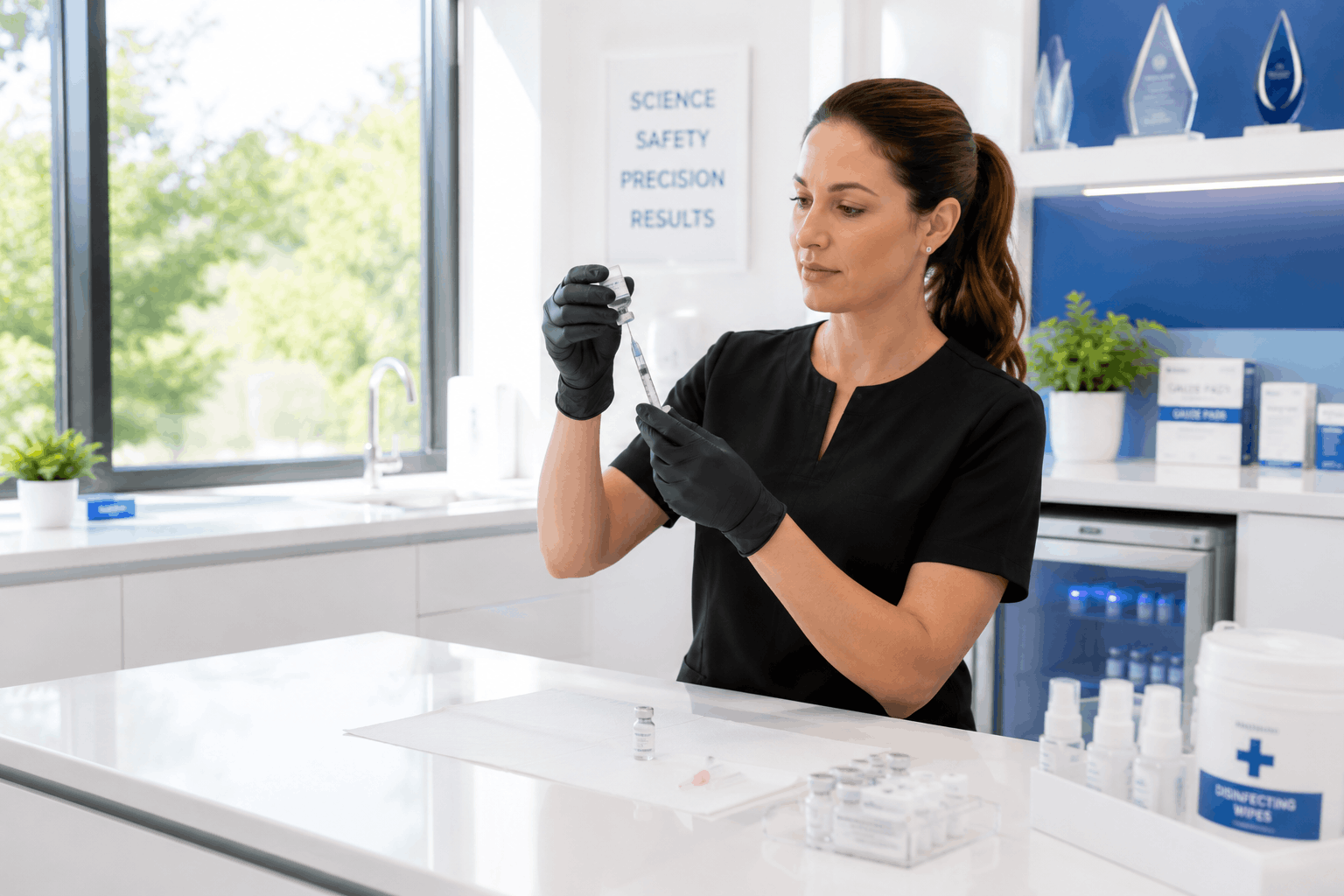
Peptide therapy works by introducing specific peptides to enhance or restore these signals.
Unlike broad treatments, peptides are highly targeted. That precision is what makes them so appealing in regenerative medicine.
How Peptide Therapy Works in the Body
Think of peptides as instructions.
As we age or deal with chronic conditions, these instructions can weaken or become inefficient. Peptide therapy helps “remind” the body how to function optimally.
Depending on the peptide used, therapy can:
- Stimulate tissue repair
- Promote muscle growth
- Support immune system balance
- Enhance metabolic processes
For a closer look at how these treatments are applied in clinical settings, this peptide therapy program overview outlines how targeted protocols are used.
Key Peptide Therapy Benefits
1. Accelerated Recovery and Healing
One of the most recognized peptide therapy benefits is faster recovery.
Peptides can help:
- Repair muscle tissue
- Reduce recovery time after injury
- Support post-procedure healing
This makes them popular among both athletes and patients recovering from chronic conditions.
2. Reduced Inflammation
Chronic inflammation is a root cause of many diseases.
Certain peptides may:
- Regulate inflammatory responses
- Support immune system balance
- Reduce long-term tissue damage
This is particularly relevant in regenerative medicine, where inflammation control is critical.
3. Improved Muscle Growth and Fat Loss
Some peptides are used to:
- Stimulate growth hormone release
- Improve body composition
- Support lean muscle development
This benefit often overlaps with performance and anti-aging goals.
4. Enhanced Skin and Anti-Aging Effects
Peptides can support:
- Collagen production
- Skin elasticity
- Cellular repair
While not a replacement for medical treatments, they are often used in longevity-focused programs.
5. Hormonal Balance and Energy Support
Hormonal imbalances can affect:
- Energy levels
- Sleep quality
- Metabolism
Peptide therapy may help regulate these systems, leading to improved overall function.
How Peptide Therapy Fits Into Regenerative Medicine
A Complementary Approach
Peptides are rarely used in isolation.
Instead, they are often combined with:
- Stem cell therapy
- Nutritional protocols
- Lifestyle interventions
This layered approach increases the potential for better outcomes.
Precision-Based Treatment
Unlike generalized therapies, peptides allow for:
- Targeted interventions
- Customized protocols
- Condition-specific applications
This makes them a valuable tool in personalized medicine.
Risks and Limitations
Not a One-Size-Fits-All Solution
Different peptides serve different functions.
Using the wrong peptide—or incorrect dosing—can lead to:
- Limited results
- Unwanted side effects
Potential Side Effects
Most side effects are mild and may include:
- Injection site irritation
- Temporary fatigue
- Headaches
Serious complications are rare when therapy is properly managed.
Requires Medical Oversight
Peptide therapy should always be:
- Prescribed
- Monitored
- Adjusted by qualified professionals
Self-administered or unregulated use increases risk.
What to Expect From Peptide Therapy
Initial Assessment
A proper clinic will:
- Evaluate your health status
- Identify goals (recovery, performance, etc.)
- Design a tailored protocol
Treatment Process
Peptides are typically administered via:
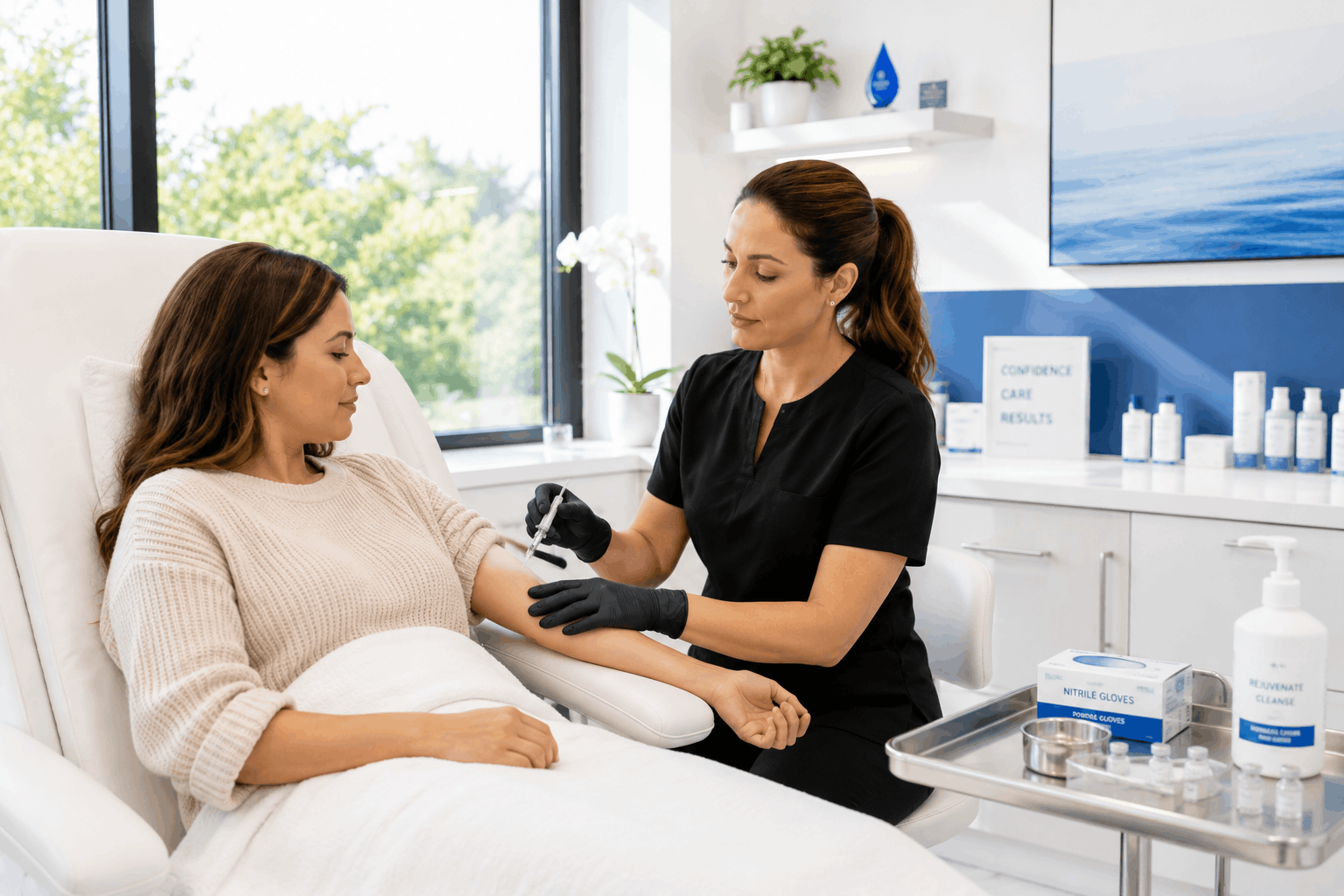
- Subcutaneous injections
- Oral or topical forms (depending on type)
Timeline for Results
Results are gradual.
You may notice:
- Early improvements in energy or recovery
- Continued progress over weeks
- Optimal results over months
Consistency is key.
Who Benefits Most From Peptide Therapy?
Ideal Candidates
- Individuals with chronic inflammation
- Patients recovering from injury
- Those seeking performance or recovery optimization
- People interested in anti-aging support
Less Ideal Candidates
- Individuals expecting immediate results
- Those unwilling to follow a structured plan
- Patients without proper medical guidance
Key Takeaways
- Peptide therapy benefits center around repair, recovery, and optimization
- It works by enhancing the body’s natural signaling processes
- Results are gradual and depend on proper use
- It is most effective as part of a broader regenerative strategy
- Medical oversight is essential for safety and effectiveness
Peptide therapy isn’t a miracle solution—but it’s far from hype. It represents a shift toward precision-based, regenerative care that focuses on how the body functions at a deeper level.
And that’s exactly why it’s gaining ground.
FAQs
1. What are the main peptide therapy benefits?
Peptide therapy benefits include improved recovery, reduced inflammation, and better overall performance. It can also support hormone balance and tissue repair. Results depend on the specific peptides used.
2. Is peptide therapy safe?
It is generally safe when prescribed and monitored by qualified professionals. Most side effects are mild and temporary. Risks increase with improper use.
3. How long does peptide therapy take to work?
Some patients notice changes within a few weeks. Full benefits typically develop over several months. Consistency is important for long-term results.
4. Can peptide therapy replace other treatments?
No, it is usually used alongside other therapies. It works best as part of a comprehensive plan. It is not a standalone cure.
5. Who should consider peptide therapy?
People dealing with recovery issues, inflammation, or performance goals may benefit. It’s also used in anti-aging strategies. A medical consultation is necessary to determine suitability.