Stem cell therapy for back pain is gaining attention as more patients look for ways to heal without surgery—and without relying on long-term medication.
Back pain is one of the most common health issues worldwide. Whether it’s caused by herniated discs, degenerative conditions, or chronic inflammation, it can quickly impact every part of daily life. Traditional treatments often focus on symptom management, while surgery is typically reserved for more severe cases.
That’s where regenerative options come in. Clinics like ResCore Clinic are offering alternatives that focus on repairing damaged tissue rather than replacing it.
But can stem cell therapy actually help you avoid surgery—or is that overselling it?
Let’s break it down.
Jump to:
- TLDR – Quick Guide
- Implementation Tactics
- What Causes Chronic Back Pain?
- How Stem Cell Therapy for Back Pain Works
- Why Patients Are Choosing This Over Surgery
- Benefits of Stem Cell Therapy for Back Pain
- Can It Really Replace Back Surgery?
- What to Expect During Treatment
- Risks and Limitations
- Who Is a Good Candidate?
- Key Takeaways
- FAQs
TLDR – Quick Guide
- Stem cell therapy for back pain focuses on repairing damaged tissue and reducing inflammation
- It may improve mobility and reduce chronic discomfort
- Best results are seen in mild to moderate conditions
- It is not a guaranteed replacement for surgery in severe cases
- Recovery is typically faster than surgical options
Implementation Tactics
What Causes Chronic Back Pain?
Back pain isn’t a single condition—it’s often the result of underlying structural or degenerative issues.
Common causes include:
- Herniated or bulging discs
- Degenerative disc disease
- Spinal arthritis
- Muscle or ligament strain
Over time, these conditions can lead to:
- Persistent pain
- Limited mobility
- Nerve irritation
Traditional treatments like painkillers or injections often address symptoms—not the root cause.
How Stem Cell Therapy for Back Pain Works
Stem cell therapy takes a regenerative approach.
Instead of masking pain, it aims to:
- Reduce inflammation at the source
- Support tissue repair in discs and surrounding structures
- Improve overall spinal function
Most treatments use mesenchymal stem cells (MSCs), which are known for their ability to regulate inflammation and assist in healing.
If you want a deeper understanding, this guide to mesenchymal stem cells explains how these cells function in regenerative medicine.
Why Patients Are Choosing This Over Surgery
Minimally Invasive Approach
Unlike back surgery:
- No major incisions are required
- Procedures are typically outpatient
- Lower immediate risk compared to surgery
Faster Recovery Time
Surgical recovery can take months.
Stem cell therapy often involves:
- Minimal downtime
- Faster return to daily activities
Focus on Healing, Not Replacement
Surgery often involves:
- Removing damaged tissue
- Fusing or replacing structures
Stem cell therapy focuses on:
- Supporting the body’s natural repair process
Benefits of Stem Cell Therapy for Back Pain
Reduced Pain and Inflammation
Stem cells help regulate the body’s inflammatory response, which can significantly reduce chronic discomfort.
Improved Mobility
As inflammation decreases and tissues respond, patients may experience:
- Better flexibility
- Increased range of motion
- Less stiffness
Potential Disc and Tissue Support
While not guaranteed, stem cells may help:
- Support disc health
- Improve surrounding tissue function
Non-Surgical Alternative
For many patients, avoiding surgery is the biggest advantage.
This is why treatments like orthopedic stem cell therapy are becoming more popular for spine-related conditions.
Can It Really Replace Back Surgery?
The Honest Answer
Sometimes—but not always.
Stem cell therapy may:
- Delay the need for surgery
- Reduce symptoms significantly
- Improve quality of life
However, it is less effective when:
- Structural damage is severe
- Nerve compression requires surgical correction
- Advanced degeneration is present
In these cases, surgery may still be necessary.
What to Expect During Treatment
Step 1: Evaluation
A proper clinic will:
- Assess your condition
- Review imaging (MRI, etc.)
- Determine if you’re a suitable candidate
Step 2: Procedure
Stem cells are typically:
- Injected into targeted areas of the spine
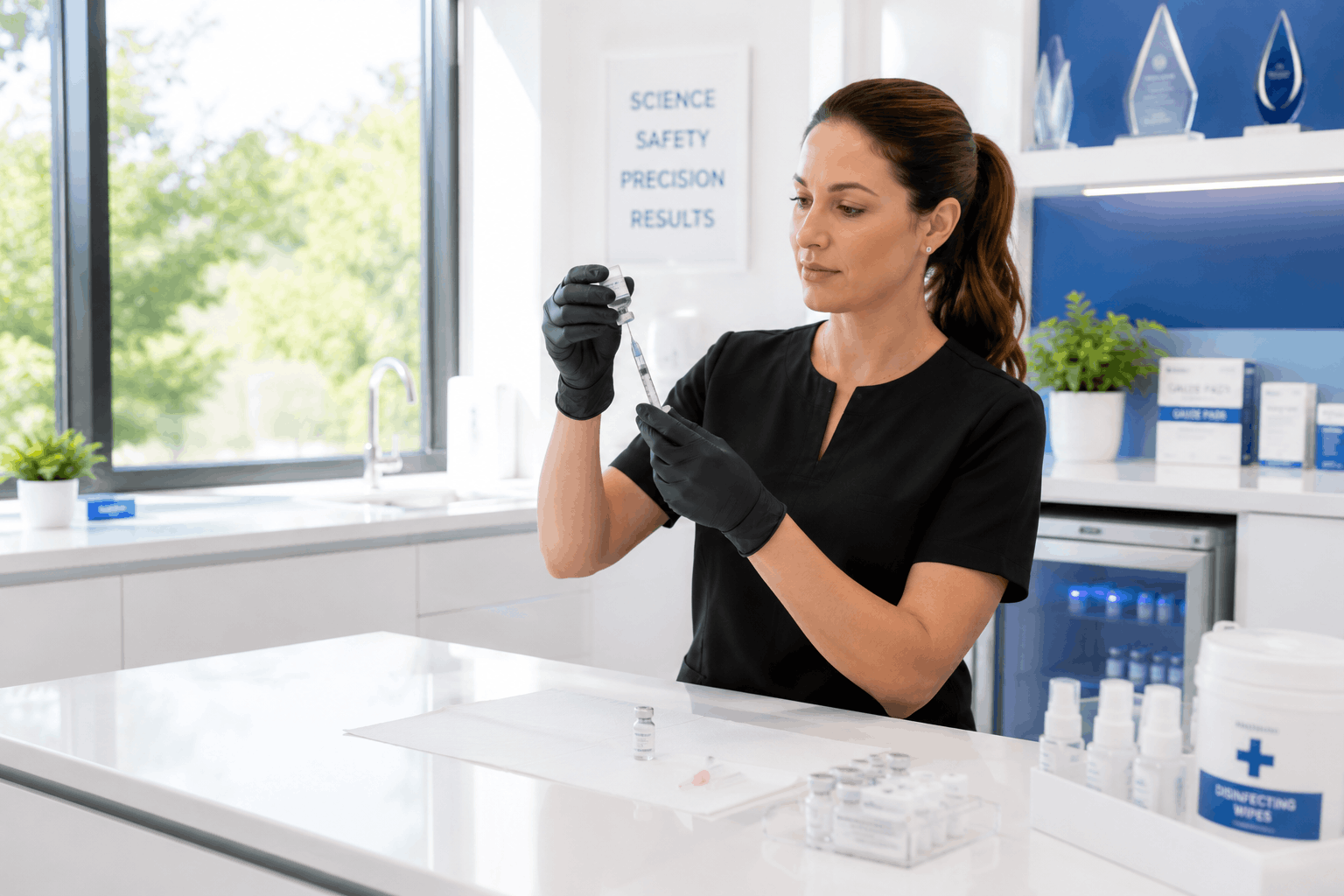
- Administered in a controlled, sterile environment
The procedure is:
- Minimally invasive
- Outpatient
- Completed within a few hours
Step 3: Recovery
Patients may experience:
- Mild soreness initially
- Gradual improvement over weeks or months
Healing is progressive—not immediate.
Risks and Limitations
Not a Cure
Stem cell therapy does not fully reverse all back conditions.
It may:
- Improve symptoms
- Support healing
- Delay progression
Variable Results
Outcomes depend on:
- Severity of the condition
- Patient health
- Treatment quality
Clinic Quality Is Critical
The success of treatment depends heavily on:
- Proper protocols
- Cell quality
- Medical expertise
You can evaluate provider credibility through resources like this medical team overview to better understand experience and qualifications.
Who Is a Good Candidate?
Ideal Candidates
- Mild to moderate back pain
- Early degenerative disc issues
- Patients trying to avoid surgery
- Individuals seeking non-invasive options
Less Ideal Candidates
- Severe spinal damage
- Advanced nerve compression
- Patients expecting immediate results
Timing plays a major role in effectiveness.
Key Takeaways
- Stem cell therapy for back pain focuses on healing, not just symptom relief
- It can reduce pain and improve mobility in many patients
- Best results occur in early to moderate conditions
- It is not a guaranteed replacement for surgery
- Choosing the right provider is essential for success
Stem cell therapy isn’t a miracle fix—but it’s one of the most promising non-surgical options available for back pain today. For the right patient, it can mean less pain, better movement, and potentially avoiding surgery altogether.
FAQs
1. Does stem cell therapy really work for back pain?
Many patients report reduced pain and improved mobility. Results depend on the underlying condition and severity. It is most effective in early to moderate cases.
2. How long does it take to see results?
Some patients notice improvements within a few weeks. Full results often develop over several months. Healing is gradual.
3. Is stem cell therapy better than back surgery?
It depends on the condition. For mild to moderate cases, it may delay or avoid surgery. Severe structural issues may still require surgical intervention.
4. Is the procedure painful?
Most patients experience minimal discomfort. Mild soreness may occur after treatment. This usually resolves quickly.
5. How long do results last?
Results vary by patient and condition. Some experience long-term relief, while others may need additional treatments. Lifestyle and follow-up care play a role.